Beginnings
A Musical Environment
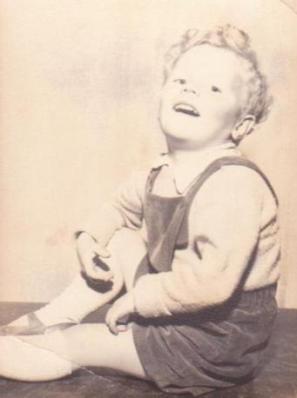
I grew up in a musical family.
My dad was a teacher who played drums, sang in choirs and performed in plays and musicals.
My mum was also a teacher who played piano for her kindergarten students.
My oldest sister played the piano and sang, and later in life wrote
an Italian opera for her Masters degree.
My second oldest sister played the piano and guitar as well as other instruments,
and it was her guitar I picked up to play.
Like my sisters before me, I also had piano lessons. I loved the moody atmospheric pieces but didn't have the dedication to master the more complex technical pieces.
I sang in the primary school choir, and even sang a solo at my final speech night. I experienced the thrill and emotion of classical music when I sang in the massed primary school choirs at the Sydney Town Hall.
By the end of primary school I was experimenting with music, recording one part of vocals and guitar on tape, and singing and playing a second part over the top.
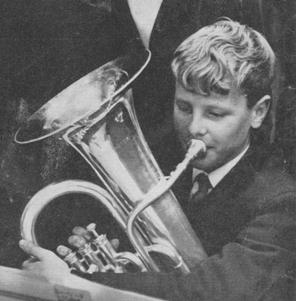
In high school I played the euphonium which is like a small tuba but is usually given melodic parts to play.
A Passion For Bass
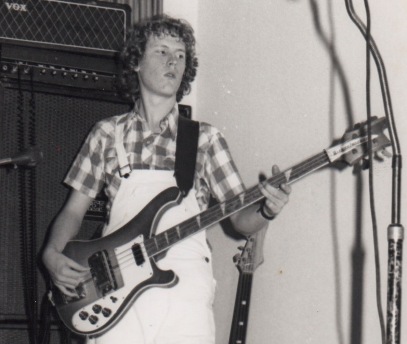
In early high school I focussed my attention on the bass guitar. I was drawn to its sound, and in the late 1960's there were some great bass lines for me to learn from, with the Beatles, Led Zeppelin, Cream, the Rolling Stones, and Motown acts topping the charts.
I decided I had to have by own bass and pestered my parents for paid household chores. When they saw my determination, they bought me one and an amplifier to go with it.
My first band in 1970 was made up of friends from the high school brass band. We played at a few local events, but later in that year we appeared on TV on the Super Flying Fun Show and Junior New Faces, both on Channel 9.
By the end of 1970 I was playing corporate gigs and weddings in a well paid organ-based instrumental band. I also sang and played guitar and bass in coffee shops and the occasional church service with a vocal band.
At Christmas and Easter I would join the church choir with my dad where we would sing classics like Handel's Messiah and Hodie by Ralph Vaughan Williams.
In late high school I played double bass with Lane Cove Municipal Band and in orchestras for high school musicals.
However, University studies and rock band commitments soon meant that there was no time available for any other musical connections.
Farm
Turramurra Jamming
A friend I was learning tennis with had seen me playing bass on TV. He hosted occasional jam sessions at his place, and asked me to play drums at the next session until their regular drummer's cricket game finished. After this I played bass.
One of the bands that formed out of this collective was a five piece named Schwampy Moose which included Jim Moginie on guitar and Rob Hirst on drums and lead vocals. After a few performances this became a power trio with Jim, Rob and me initially named Sparta, and later named Farm. Farm had the motto 'collective ego', because we were all dynamic (noisy, assertive and undisciplined) musicians.
Jim introduced me to some amazing bands (for example King Crimson) and concerts (for example Yes). We would spend hours in music shops trying out the latest gear (for example, the Minimoog), and listening to new records.
The Summer Tours
At the end of 1973 Peter Garrett was in Sydney on his summer break from his Canberra uni courses, and answered our ad for a lead singer. We hadn't seen anything like him, and he hadn't heard anything like us. With his PA and our amps loaded into our station wagons we set off, hiring halls and sleeping on beaches for a month.
Despite many auditions in 1974 we didn't find a suitable permanent lead singer. At the end of our first year at Uni, we recruited Peter again and set off on another summer tour, this time with an added sax player.
During 1975 Peter commuted from Canberra back to Sydney for any Farm gigs. This led to creative vocal and lyric stylings when we performed new songs that we had written but he hadn't yet heard. In 1976 Peter transferred his degree courses to NSW Uni, and Farm changed its name to Midnight Oil.
Oils
Going Pro
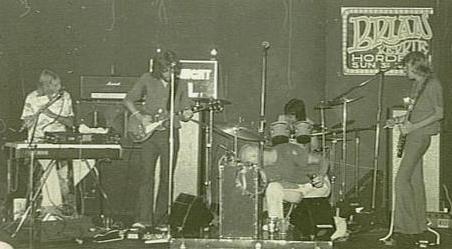
At the end of 1976 the band decided to leave uni and go "professional". I didn't want to leave uni until I finished my degree, so they went "professional" without me. Martin Rotsey, who played guitar with another band at Rob's school, was brought in to play bass, and Murray Cook played keyboards.
As it turned out, there wasn't much band work, and the band was able to continue their university studies. During this period I set up their PA and mixed their sound for them. Towards the end of the year they had a lineup reshuffle, with Martin back on guitar and me back on bass.
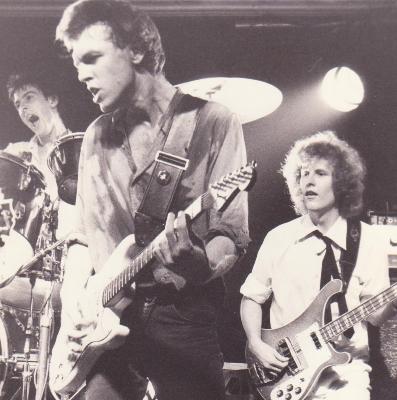
In 1978 we got our degrees, a manager, a bank loan, an overdraft and a record contract. By the end of that year we had a record in the shops and on the radio and were $20,000 in debt. We supported a lot of bands and travelled the roads between Brisbane and Melbourne frequently. We built up our strength and reputation as a live act until we were headlining.
In 1979 we recorded our second album, paid off our debts, and toured overseas for the first time.
Both Jim and I had TEAC four track tape recorders and were recording our songs, with each of us playing all the instruments on our recordings. Jim was more prolific than me and his recordings were more polished. Early versions of Blue Sky Mine, Cold Cold Change (Jim) and Back on the Borderline (me) were recorded in this period, along with other material that would find its way onto Midnight Oil albums.
Exit Wounds
Life on the road was making me sick. I had several worsening health problems, and I was not recovering even in the breaks between tours. It was painful for me to accept that if I wanted to get better I would have to leave the band.
During my last few weeks with the band I lost my energy, my appetite, and my emotional stability. I struggled on somehow, knowing that each performance brought me one day closer to the end of the tour. After my final gig with the band I was a wreck, and had a physical breakdown. I spent a month in bed and lost quite a lot of weight before I started to get my appetite and energy levels back.
After years of striving with my bandmates to make the best records and give the best performances, I now had to watch the rest of the band's journey from the sidelines.
Gospel
Flying with the Fox
When I recovered from my illnesses, I got a regular job and looked around for new musical opportunities. I fell in with a group of Christian musicians and played in a number of folk/jazz/rock bands, mostly playing fretless bass. The band which lasted longest from those days was Flying Fox. Our aim was to bring positive music into the secular world, but we also played Christian gigs. We played a mix of classic hits and original songs with a message.
When I was available I was also playing in the Peter Beveridge band, which was an evangelical band playing all original material. I felt in my heart that this band was making a greater difference than Flying Fox, and people were finding God and turning their lives around at our concerts, so in 1981 after months of prayer and indecision I switched bands.
The Nightlight Family
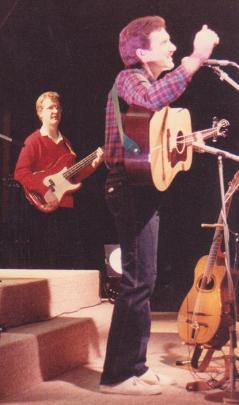
Over the next few years Peter set up his own publishing company, record company and recording studio. As well as playing live gigs with the Peter Beveridge Band, I was soon part of the Nightlight Music pool of musicians. We recorded mostly Christian albums for many people, and sometimes backed them live. I played four and five string fretted and fretless basses, and synthesiser bass. I also played on some early Hillsong studio and live worship albums, and at some Christian City Church (later C3) concerts.
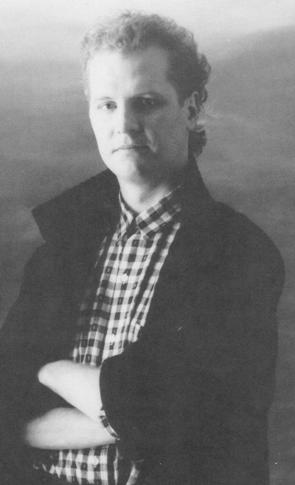
I co-wrote several songs with Peter, and for a short time we were a duo called The Pulse. One of our songs was released as a single, but the record company we were signed to went bankrupt.
Peter formed a band called Present History with Darlene Zschech and three Nightlight Studio musicians, and we released an album of great songs including one of mine. We played at a big church rally at the NSW State Sports Centre in front of about 7000 people (my largest audience).
Over time Peter moved away from artist promotion and into other roles within the visual media. Some tracks I wrote or played on were recycled into jingles or TV theme music. However, I had fewer and fewer requests to record in the studio or perform live.
The Two Of Us
Stronger
Music brought my wife (Janene) and me together, and has been a big part of our life.
She asked me to help form a band with some of our friends to play at her sister's wedding. This band became JAMAS, a name made up of our initials (like ABBA, except there were five of us). Between us we had five lead and harmony vocalists, four guitarists, three keyboard players, one bassist, and one drummer if you count "Tom", my drum machine. It was during this period that my wife and I started dating.
After we were married we considered working as a duo, singing other people's songs over prerecorded backing tracks. I enjoyed preparing the backing tracks, but wasn't keen on playing and singing background music to people who might not want to listen.
Deeper
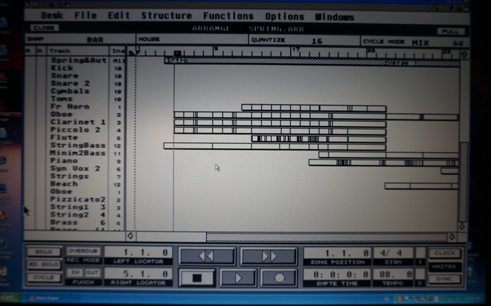
I acquired enough gear (guitars, basses, keyboards, drum machine, midi sequencer, multitrack tape recorder) to record our song ideas.
Over the years we have worked on many of our songs, some of which remained on paper, some of which were thrown onto tape or sequencer as rough ideas, and a few which made it as far as concert performances, corporate church worship or released on CD.
Higher
When I was in my late teenage years, revival swept through my church but to my disappointment sidestepped me. However, I did witness firsthand the profound and permanent difference God made in people's lives, so I knew God was real and worth pursuing.
One evening many years later, God led me into a deeper relationship with him. Before this I believed Jesus had saved me and loved me. After this I knew he loved me, and the sense of his presence remains with me.
Ch-ch-changes
Worship is a key weapon in the spiritual battle
between God and his enemies.
(2 Chronicles 20:21-22)
Over many years my wife and I have fought in the battle,
sometimes on the frontline, sometimes behind the scenes,
facilitating and encouraging worship in God's church.
At times we enjoyed advances and victories,
at other times we encountered attack and injury.
After being in our previous house and suburb for 27 years, we find ourselves in a new house in a new suburb, and part of the worship team in a new church. Along with looking after our grandchildren and establishing our garden, as inspiration strikes we will continue to create and share new music.
back to top